Once the flor is gone
Cuando la flor ya no está
Fino
The flor stayed with the barrel. It does not stay in the bottle you opened. Cold in the nevera slows the fade. It does not stop it. Drink fino or manzanilla the day you open it, or the next. By the night after that you are tasting a different wine. Leave it standing, closed, in the nevera. The counter is where it dies.
La flor se quedó en la barrica. No se queda en la botella que abriste. El frío de la nevera frena el desgaste. No lo detiene. Bebe el fino o la manzanilla el día que lo abras, o al día siguiente. Para la noche de después estás probando otro vino. Déjalo de pie, cerrado, en la nevera. En el mostrador es donde se muere.
The gas leaves
El gas se va
Bubbles
Burbujas
A cava keeps its spark while the bottle is closed. Open, the gas leaves. A stopper that holds a seal buys the next day. The day after that, the wine can still be good and the bubbles are quieter. It does not become the bottle you opened. Stand it up in the nevera. Do not lay an open sparkling bottle on its side.
Un cava guarda su chispa mientras la botella está cerrada. Abierta, el gas se va. Un tapón que sella compra el día siguiente. El día de después, el vino puede seguir bueno y las burbujas están más quietas. No vuelve a ser la botella que abriste. Déjalo de pie en la nevera. No acuestes una botella de espumoso ya abierta.
Acid, and air
Acidez, y aire
A pale wine
Un vino pálido
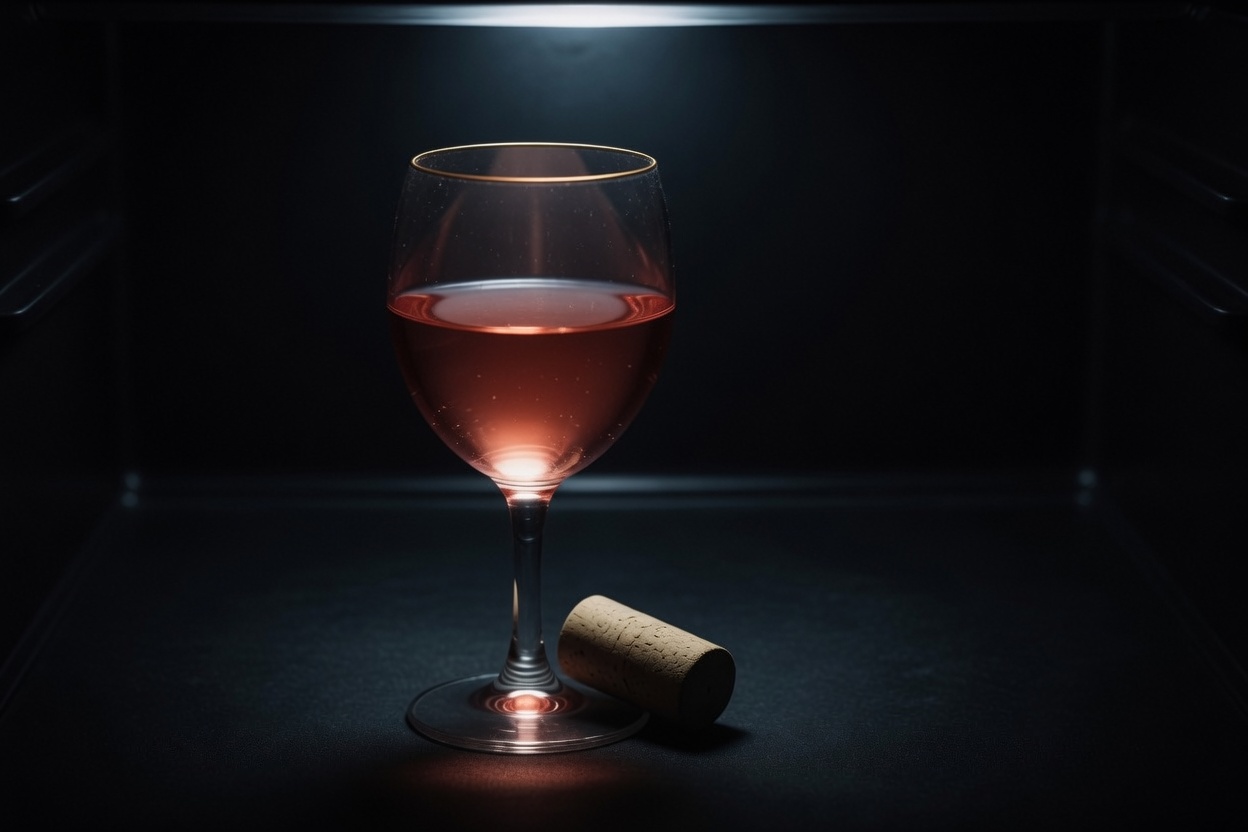
A white or a rosé with acid is best the day you open it, and the next. Put the cork back. The nevera, not the counter. Air is what tires it. Cold only slows that. A richer white can be patient a little longer. When the fruit smells dull, it is done.
Un blanco o un rosado con acidez está mejor el día que lo abres, y al día siguiente. Vuelve a poner el corcho. La nevera, no el mostrador. El aire es lo que lo cansa. El frío solo frena eso. Un blanco con más cuerpo puede tener un poco más de paciencia. Cuando la fruta huele apagada, se acabó.
It can wait
Puede esperar
A red
Un tinto
A red can wait. Give it the next night, and the one after, before you decide it is tired. A fino does not get that long. The nevera is colder than a red wants to be drunk. Take it out and let the chill leave before you pour. A tired red smells of dried fruit, and the fruit is gone.
Un tinto puede esperar. Dale la noche siguiente, y la de después, antes de decidir que está cansado. Un fino no tiene tanto tiempo. La nevera está más fría de lo que un tinto quiere para beberse. Sácalo y deja que se vaya el frío antes de servir. Un tinto cansado huele a fruta seca, y la fruta ya no está.
Close it
Ciérrala
The cork
El corcho
Put the cork back, or use a clean stopper. A sparkling wine wants a stopper that can hold a seal. A vacuum pump, or a spray of gas, is a tool. It is not a new seal from the cellar. If you will finish the bottle this week, the cork and the nevera are enough.
Vuelve a poner el corcho, o usa un tapón limpio. Un espumoso quiere un tapón que pueda sellar. Una bomba de vacío, o un golpe de gas, es una herramienta. No es un sello nuevo de la bodega. Si vas a acabar la botella esta semana, el corcho y la nevera bastan.
You may stop
Puedes parar
Pour it out
Tíralo
You do not have to finish a bottle to be polite. If it smells like vinegar, or like a stew, or the fino tastes like a tired wine you did not buy, pour it out. Cold can hide that until the glass warms. The leftover is not a duty.
No tienes que acabar una botella por educación. Si huele a vinagre, o a un guiso, o el fino sabe a un vino cansado que tú no compraste, tíralo. El frío puede esconder eso hasta que la copa se entibie. Lo que sobra no es un deber.